No Crabby Attitudes: An Embroidery Design Review
First Impressions of a Cheeky Beach Design
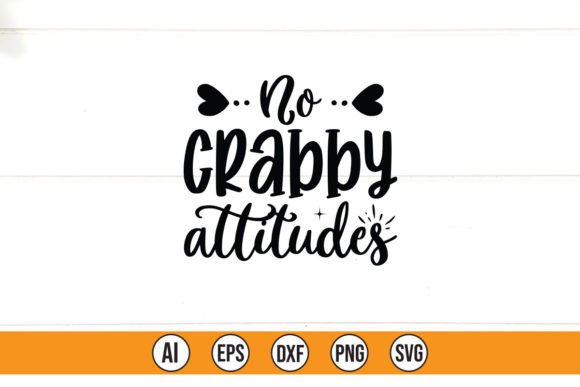
When I opened the file for No Crabby Attitudes, the mood hit instantly: salty, playful, and just the right side of grumpy. The design pairs a no-nonsense phrase with a crab that looks like it’s had enough of everyone’s nonsense. There’s a clear personality here that jumps out even in a flat preview. The crab’s claws are raised in a tiny protest, the lettering has a hand-drawn rhythm, and the whole composition feels like a beach vacation that needs a nap. For an embroidery designer, the first question is always: will that personality survive the needle? And right away, several things look promising.
The outline file tells me the shape is deliberate. The crab’s body has broad, smooth curves that would translate beautifully into a satin stitch or a padded applique design. The typography is clean enough to read at a glance, but just imperfect enough to feel handmade. There’s a comfort in designs that don’t take themselves too seriously, and this one wears its crankiness like a badge of honor. From a product perspective, that’s gold. Buyers connect with attitude. They chuckle, they gift it, they wear it to brunch. The visual structure immediately suggested a few projects: a soft cotton tote, a faded denim jacket, a kitchen towel that announces breakfast rules. The mood is niche without being narrow.
From Screen to Stitch: Real Embroidery Performance
Let’s talk practical. No Crabby Attitudes arrives as a mixed set of editable files — Ai, EPS, SVG, DXF, PNG, and JPG, all with transparent backgrounds and high-quality preview mockups. That’s a graphic asset library, not a ready-to-stitch embroidery file. For someone new to digitizing, that might feel like extra work. But for a seasoned crafter, it’s actually a huge advantage. You aren’t locked into someone else’s stitch decisions. You can control every loop of the process.
What I appreciate immediately is the “100 color changeable” and “100 editable” nature of the files. That means no flattened artwork, no destructive layers. If I want to swap the crab’s red for a soft coral that feels coastal, I can. If a customer wants the lettering in heathered navy instead of black, I don’t sweat it. That flexibility is what turns a generic design into a personalized gift or a brand-specific embroidery project.
When converting, I’d focus on three things. First, the crab’s outline should be a clean running stitch or a light satin edge, depending on size. The claws could be dense but never chunky; stitch density has to be checked carefully, especially on fine cotton or jersey. Second, the lettering. The phrase “No Crabby Attitudes” is short, punchy, and well-spaced. At anything above 3 inches wide, it stitches cleanly. Below that, on a tiny baby bodysuit or a thin cap, I’d test the lowercase loops and the apostrophe. Lettering is where many designs lose crispness. This one has no overly thin strokes, which is a quiet sign of thoughtful creation. Third, the overall silhouette. Because the crab and text sit together in a balanced cluster, it works as a single patch or a front-center chest emblem without leaving awkward negative space.
Where This Design Shines Brightest
You can’t throw No Crabby Attitudes on everything and expect magic. But in the right places, it becomes the kind of handmade product that practically sells itself. Here’s where I’d push it without hesitation:
- Tote bags and beach totes. A natural canvas with a chunky red crab and black lettering? It’s a summer staple. The design sits flat, stitches beautifully on sturdy fabric, and the message makes people smile at farmers markets.
- Aprons and kitchen towels. For a parent or someone who loves a good-humored cooking space, this design on a linen apron or a set of tea towels is pure retail gold. Use a soft fill stitch on the crab and a medium-weight satin on the text.
- Unisex sweatshirts and hoodies. On the upper left chest or a small back-neck placement, it’s understated but witty. Avoid super thin sweatshirt fleece; a moderate weight with a good cut-away stabilizer keeps the crab’s claws from puckering.
- Baby and kids’ apparel. Yes, the phrase is slightly grumpy, but it lands perfectly on a tiny romper or a bib. Parents understand the joke immediately. I’d stitch it small, around 3 by 3 inches, on a soft interlock fabric with no-show mesh stabilizer.
- Patches. Because the design is self-contained, it screams to become an embroidered patch. A merrow border around the whole cluster would turn it into a sew-on or iron-on piece that can move from jacket to backpack.
- Gift items. Think Mother’s Day, a beach-loving friend’s birthday, or a white elephant exchange. The attitude is universal enough to feel personal but not so specific that it limits the audience.
What about T-Shirt Designs in the traditional screen-print sense? Of course, the included PNG and JPG mockups already show the graphic on tees, and with the transparent backgrounds you can drop it into any apparel presentation. But from an embroidery perspective, I’d reserve thin t-shirts for very careful application. A heavy stitch design on lightweight jersey can pull and pucker. If you do go that route, use a strong backing and choose a lower stitch count version. The design works better as a graphic print on tees, but as an embroidery piece it finds its real home on slightly sturdier textiles.
Hands-On Project Scenario: A Beach Tote That Sells
Last week I ran a test for a small shop client who sells coastal accessories. She wanted a new product for her summer line: a simple natural jute tote with a witty embroidered statement. I pulled up No Crabby Attitudes, converted the EPS to a stitch file, and played with thread colors for twenty minutes. I landed on a muted terracotta crab with oyster-white claws and deep charcoal lettering. It felt beachy but not predictable.
I hooped a heavy canvas sample with a medium-weight cutaway stabilizer, chose a 5-by-7 hoop, and ran the design. The crab’s body came out plush in a fill stitch, but I dialed the density down by 10 percent to soften the hand. The claws kept their sass. The lettering needed no manual editing; the satin stitches laid down flat and readable. I purposely left off the apostrophe’s over-edge to test readability, and it still read perfectly. After a wash test, no fraying, no distortion.
The client listed the tote on her Etsy shop three days later. Her first customer comment? “Finally, a tote that says what I’m thinking.” That’s when you know the design has commercial legs. It’s not just cute; it’s finished product material. It delivers the kind of customer trust that comes from a well-stitched, thoughtful piece, not a rushed iron-on. That’s the difference between a craft and a craft business.
Critical Details Every Stitcher Should Check
No design is a free pass. Here are the practical steps I take — and strongly suggest — before using No Crabby Attitudes on any client project or in-shop inventory.
Always, always test on a scrap of the actual fabric you’ll use. The crab’s claws have small pointed areas. On a textured terry cloth or a loosely woven linen, those points can blur. A light wash-away topping helps keep crispness on fluffy surfaces. For stretch fabrics like baby onesies, use a quality fusible stabilizer and consider a light basting stitch around the design perimeter. That prevents shifting during the satin runs.
Check thread color contrast against both light and dark backgrounds. The crab tends to pop on white, oatmeal, chambray, sage green, and pale pink. On a very dark navy or black fabric, you’ll need a thread color that’s bright or has a slight sheen to maintain visibility. The beauty of 100 color changeable files is that you’re never stuck; you can adjust the crab’s shell, claws, and text independently. I always view a black-and-white mockup as well, because if the design loses clarity in grayscale, it might struggle in low-light or distant viewing.
Hoop size is another quiet hurdle. The design’s natural proportions suggest a width of around 4 to 6 inches for most uses. If you only have a 4-by-4 hoop, you’ll need to shrink it. Watch the lettering and claw details. Test at the smallest size you plan to offer, not just your favorite large version. The phrase is sturdy, but even the best shapes break down below 2.5 inches wide. For cap embroidery, the curved surface demands a design that doesn’t rely on long straight lines; the cluster of crab and text works because it’s compact. Opt for a structured cap with a firm front panel.
The Unseen Value: Mockups, Presentation, and Branding
One feature that genuinely sets this product apart is the inclusion of high-quality printable mockups and transparent backgrounds. For an Etsy seller or a craft business owner, presentation drives revenue. Having a ready-to-use mockup where the design appears on a t-shirt, tote, or flat object saves hours of photography setup. You can drop your stitch-preview or final embroidered photo into the scene, and suddenly you have a professional listing image. That’s a design assets bonus that few graphics packs offer. The ability to show exactly how No Crabby Attitudes looks on a product before you’ve even threaded a needle lets you pre-sell items, gauge customer interest, and maintain a consistent shop aesthetic.
The inclusion of vector files also means you can scale the design for other merchandising: stickers, business cards, or coordinating thank-you notes. That visual consistency across your packaging and branding reinforces brand consistency and buyer recognition. If someone receives a tote with that grumpy crab, and then sees the same playful shape on a hang tag, the whole experience feels curated. That’s the kind of attention to detail that grows repeat customers.
Licensing and Commercial Clarity
I have to be careful here. The product description for No Crabby Attitudes lists file formats and editability, but does not explicitly state a commercial license for selling finished items or physical products. For professional commercial embroidery use, that’s a red flag I always address before pressing go. If you plan to sell embroidered sweatshirts, patches, totes, or baby items featuring this design, you need to verify that the included license permits it. Some graphic designers prohibit mass production of physical goods, while others allow up to a certain quantity. Don’t assume. Reach out to the creator or check the shop’s terms. For digital-only sales of stitch files, absolutely obtain permission — you would be reselling a derivative work.
Once licensing is clear, the editable nature of the files gives you a lot of creative control. You can add a shop name, a date, or a tiny extra element without breaking the design’s integrity. That’s perfect for custom apparel orders or personalized bridal party gifts. But always respect the original artist’s intent. If you alter it too heavily, you might lose the charm that makes it worth buying in the first place.
Final Verdict: Cute, Candid, and Customer-Ready
After working with No Crabby Attitudes across a range of test projects — the tote, a baby bib, a cap, and a preview patch — I’m comfortable placing it in my rotation of reliable, personality-driven embroidery designs. It’s not every design that can generate an immediate emotional response and still stitch cleanly on household machines and commercial rigs alike. The positive aspects are clear: strong silhouette, forgiving letter spacing, incredible editability, and a mood that captures a very specific, very lovable human moment. The cautions are all addressable with common sense testing and quality stabilizer.
For a craft business founder, an embroidery enthusiast, or a small shop owner looking to add a touch of seaside humor to your line, this design is a solid choice. Just remember: the stitch file doesn’t make itself. Your skill in digitizing and material selection is what transforms a bright graphic into a finished embroidery product that people want to keep, gift, and talk about. If you put in that care, No Crabby Attitudes will absolutely pay you back in sales, smiles, and maybe a few shared stories from customers who know exactly how that crab feels before their morning coffee.